

Now Reading: How a Clueless Government is Wrecking a Jobless Economy
-
01
How a Clueless Government is Wrecking a Jobless Economy
How a Clueless Government is Wrecking a Jobless Economy
For charities working at the grassroots in Te Puke and across Aotearoa, a tightening jobless economy is not an abstract headline — it shows up every week at the garden gate, the food table, and the community hall. Recent economic data points to real pressure on households. Inflation had already been easing before the latest policy shifts, yet unemployment, underemployment, and rising living costs continue to hit the people and whānau our sector exists to support.
What the numbers mean for communities
Unemployment sits at a seasonally adjusted 5.2% — among the highest since 2020 — with roughly 158,000 people out of work and many more under-employed. In the June 2025 quarter, underutilisation reached 12.8%, meaning a large share of the workforce cannot get the hours or income they need.
Wages are not keeping pace with costs. Annual wage growth was 2.4% against inflation of 2.7% in mid-2025, while essentials such as food rose sharply year-on-year. For charities, that gap is visible in every referral: working families cutting groceries to pay rent and power, and more people turning to community support for the first time.
Stagflation and the pressure on household budgets
When growth stalls while prices stay high, communities feel stagflation in everyday choices — fewer meals cooked at home, deferred medical visits, young people leaving for opportunities elsewhere. For trusts focused on belonging, youth, and kai resilience, that environment makes prevention and local food systems more important, not less.
Front-line charities: demand up, resources stretched
Food banks and kai support organisations report unprecedented need. The New Zealand Food Network has cited demand up around 165% since 2020 — driven not only by unemployment but by low and stagnant wages. Many services are at capacity; some must cap how many people they can help each day.
That mirrors what community gardens, crop swaps, and local growing projects see: more interest in learning to grow food, share harvests, and stretch household budgets — and more urgency to keep those spaces open and welcoming.
Housing instability and youth
Economic pressure is worsening housing stress, including severe housing deprivation — rough sleeping, overcrowding, temporary accommodation, and unsafe dwellings. For tamariki and rangatahi, instability disrupts education, harms wellbeing, and deepens long-term disadvantage.
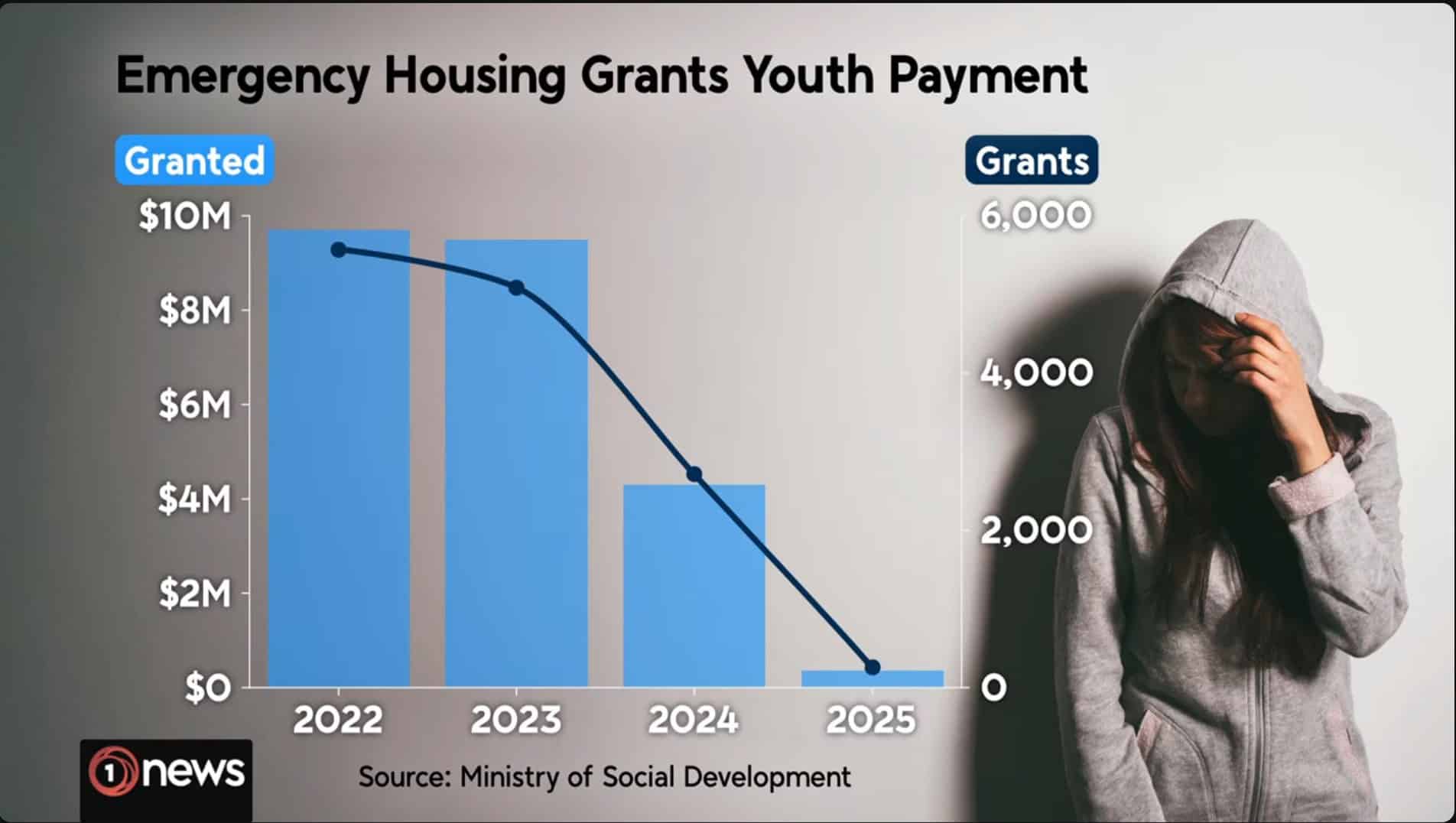
Youth homelessness services are especially stretched. Cuts to transitional housing funding leave fewer safe options at a time when demand is rising — a concern for any charity working with young people and whānau in the Bay of Plenty.
Funder fatigue — and what charities need now
Peak demand often meets funder fatigue. When households and businesses are under pressure, donations and discretionary giving fall — yet grants and contracts remain competitive and often short-term. Charities reapply constantly without secure multi-year funding, making it hard to plan staff, programmes, or kai supply when need spikes overnight.
From a charity perspective, the outlook is not abstract: it is queues at the door, empty shelves, volunteers running on goodwill, and communities asked to do more with less.
Where community-led kai work fits
This is why Vector Group Charitable Trust centres kai resilience, youth, and community connection — not as a substitute for fair wages or social security, but as part of a practical response while systems catch up. Local growing, skill-sharing, and partnerships (from community gardens to projects like Troppo and Grow Te Puke) help communities stay fed, skilled, and connected when macroeconomics falter.
If you can give time, plants, produce, or funding, now is when it counts. If you are struggling, reach out — food support, community gardens, and local charities exist because no one should face this alone.
Explore more: Kai resilience · Community programmes · Youth development · Contact us