Now Reading: From Print to Progress: Te Puke’s Community Food Forest
-
01
From Print to Progress: Te Puke’s Community Food Forest
From Print to Progress: Te Puke’s Community Food Forest
A recent article by Stuart Whitakker in local Te Puke news has put a well-deserved spotlight on a quiet revolution taking root in our town. Whitakker’s piece captured the work on the ground; here we go deeper on Troppo and the wider Grow Te Puke initiative it embodies.
The story highlighted Vector Group Charitable Trust and our mission to foster kai resilience — the ability for our community to feed itself. This is not just gardening; it is building a sustainable local food future, with Troppo as the living example.

What is Troppo?
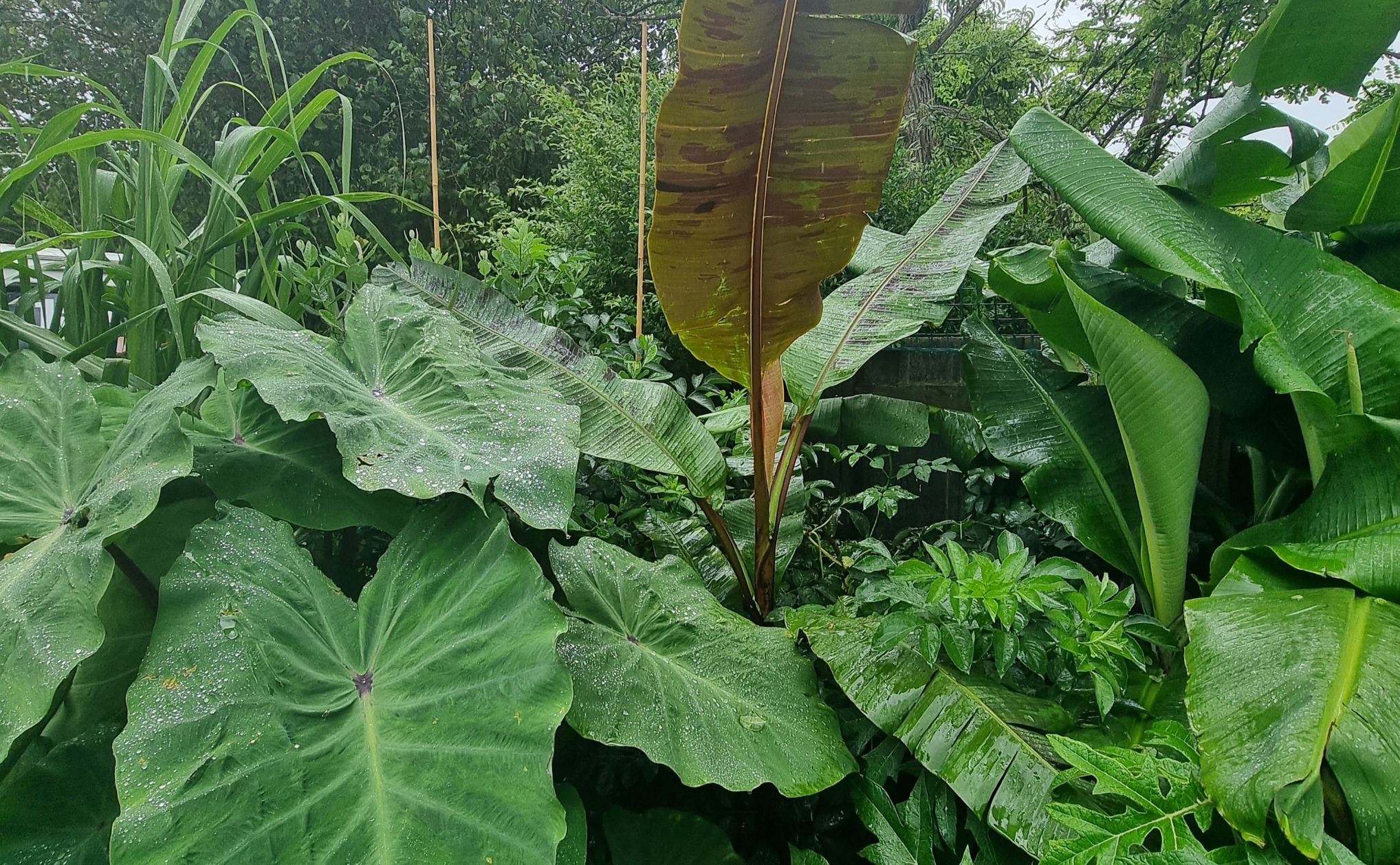
Troppo is more than a garden — it is a thriving tropical urban food forest, designed with permaculture and syntropic agriculture. As Whitakker noted, it is a multi-layered ecosystem where plants work together as in nature, building soil fertility and creating a low-maintenance, high-yield system.
In this urban oasis, tropical and subtropical plants flourish — proof that thoughtful design and local climate knowledge can turn ordinary space into extraordinary food production.
Grow Te Puke: a community in action
Troppo is a flagship project of Grow Te Puke (growtepuke.com) — empowering people with skills and knowledge to feed themselves. The goal is a stronger community: less reliance on long-distance supply chains and more food sovereignty — the right to shape our own food systems.
It is a living laboratory and community hub for workshops and hands-on learning — practical skills and connection in one place.
Troppo shows how shared vision becomes tangible change. As Whitakker showcased, the future of food is not only large-scale farming — it is a network of community-led projects, one urban food forest at a time.

Explore more: Troppo · Grow Te Puke · Food forest tours · Te Puke Today · Kai resilience