Now Reading: Unstable Ground: The Impact of New Zealand’s Climate Policies on Te Puke and the Bay of Plenty
-
01
Unstable Ground: The Impact of New Zealand’s Climate Policies on Te Puke and the Bay of Plenty
Unstable Ground: The Impact of New Zealand’s Climate Policies on Te Puke and the Bay of Plenty
New Zealand’s climate policies — and gaps in adaptation support — affect every region differently. For the Bay of Plenty and communities like Te Puke, the stakes are especially high: horticulture, agriculture, tourism, and household security all sit in the path of a warming, more volatile climate.
Impact on New Zealanders
Inconsistent national policy creates uncertainty and shifts responsibility for climate-related damage onto individuals without always providing adequate support or accessible information. Where state-funded bailouts for homes in hazard-prone areas are reduced, residents — including many who built or bought with official approvals — can face severe financial loss after extreme weather. Low-income and rural communities are often hit hardest and have fewer resources to adapt. “Informed choice” rings hollow when public climate research and hazard data are underfunded or hard to find.
Specific impacts on the Bay of Plenty
The Bay of Plenty economy depends heavily on horticulture, agriculture, and tourism — all exposed to climate risk. Delayed action on agricultural emissions and slow investment in renewable transition threaten regional stability and export relationships.
- Exports: Trading partners such as the EU are tightening climate disclosure and border mechanisms. Without strong domestic emissions action, Bay of Plenty exporters — especially primary producers — risk competitive disadvantage, tariffs, or market pressure linked to carbon footprints.
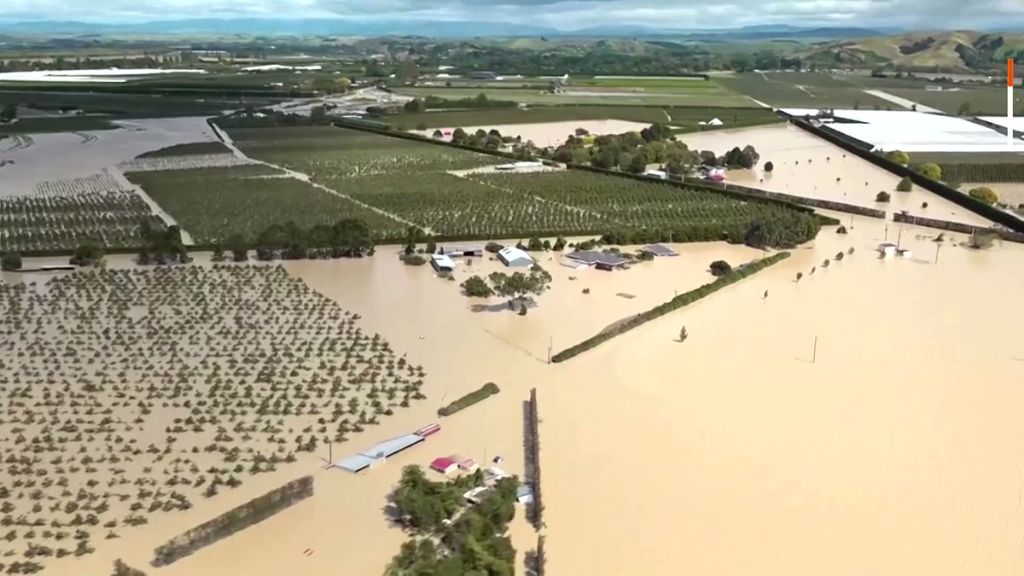
- Horticulture: Te Puke, the kiwifruit capital, is particularly exposed. More frequent floods, droughts, and shifting growing conditions threaten crops that need stable climates. Under some warming scenarios, core lines such as kiwifruit could become harder to grow here — with serious consequences for growers, seasonal workers, and the wider supply chain.
Impact on Te Puke and local communities
For Te Puke residents, policy uncertainty translates into real anxiety. People in low-lying areas report stress when heavy rain arrives. When adaptation is framed mainly as individual responsibility, communities can be left without the infrastructure, data, and funding needed to protect homes and livelihoods.
- Community resilience: Collective action matters — flood-ready neighbourhoods, shared food systems, transport choices. Community-led work (including Māori-led climate initiatives and local solar or growing projects) helps, but small-scale efforts cannot replace coherent regional adaptation. Cuts to public transport and active-transport investment can increase car dependence and make lower-carbon choices harder in towns like Te Puke.
- Local businesses: Packhouses, cafés, and service firms face direct damage costs and indirect hits from disrupted supply chains and tighter household budgets. Policy that favours fossil expansion over a just transition raises long-term risk for employers and the people who rely on them.
What community organisations can do meanwhile
While national policy debates continue, local charities and trusts still have a practical role: building kai resilience, supporting youth and whānau, sharing knowledge, and strengthening connection. Projects such as Grow Te Puke, Troppo, and community gardens do not replace sound public adaptation — but they help Te Puke eat, learn, and endure shocks together.
Explore more: Community programmes · Te Puke Digital · About Vector Group